
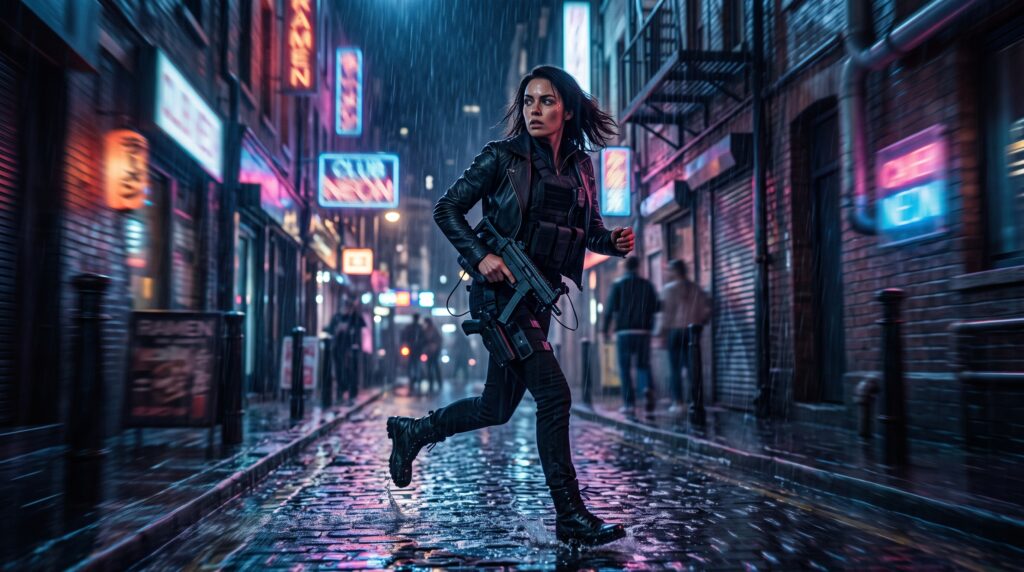
Breaking boundaries: Modern spy cinema demands complex, action-driven heroines who dominate the screen.
For over six decades, the James Bond franchise has served as a fascinating barometer for popular culture, changing action choreography, cinematic technology, and societal values. Yet, while the actors holding the license to kill frequently dominate the marquee, the true evolution of the 007 series can be measured by the multi-faceted women who inhabit its dangerous world. In this guide, we rank the most iconic Bond girls in 007 history.
The phrase “Bond girl” once conjured up simplistic images of campy double entendres and characters waiting to be rescued. However, a deeper analysis of the film history reveals a far more revolutionary truth. The most iconic Bond girls did not simply stand by 007; they actively redefined the trajectory of the narrative, proving to be his match in intelligence, combat capability, and emotional weight.
From pioneering secret agents to tragic figures who altered Bond’s psychology forever, we rank the 15 most iconic Bond girls who broke the mold and permanently altered the 007 franchise.
Who Are the Most Iconic Bond Girls?
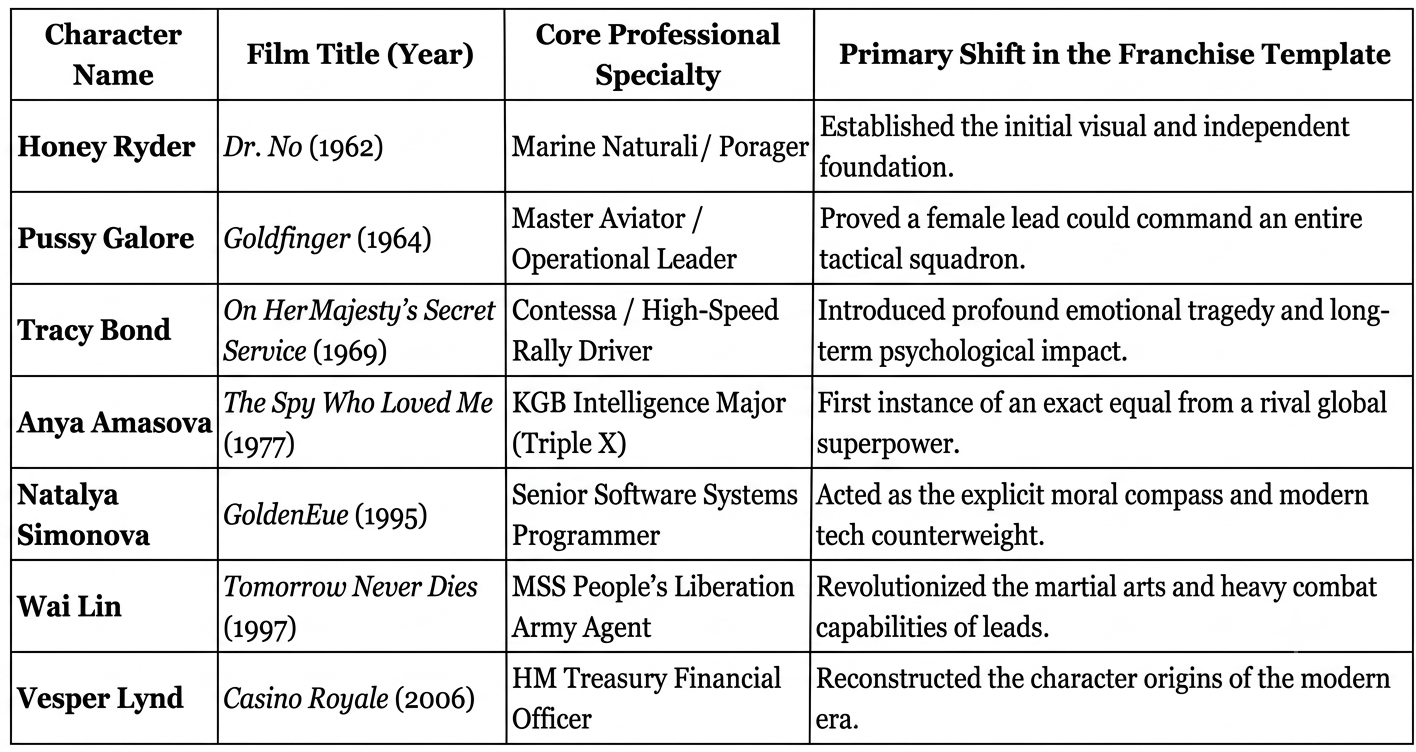
The most iconic Bond girls who redefined the 007 franchise did so by shattering the traditional “damsel in distress” stereotype, transforming the role from fleeting eye candy into complex characters who serve as James Bond’s intellectual, strategic, and physical equals. Figures like Vesper Lynd (Casino Royale), Tracy Bond (On Her Majesty’s Secret Service), and Wai Lin (Tomorrow Never Dies) rewrote the rules of the franchise by executing critical tactical maneuvers, driving deeply emotional storylines, and challenging 007’s worldview.
The Evolution of an Archetype
The term “Bond girl” has undergone a profound transformation. In the early 1960s, these characters operated primarily within the confines of a rigid mid-century cinematic landscape. Yet even then, early icons brought a fierce independence that subverted expectations.
As the franchise entered the late 20th and early 21st centuries, the writing evolved significantly. The role expanded from glamorous accompaniment into highly skilled computer scientists, deadly rival intelligence officers, and complex characters with rich emotional agency. By examining these roles chronologically and analytically, we can see exactly how these performances forced the writers to reconstruct James Bond himself for a modern audience. Decades later, the most iconic Bond girls remain the benchmark against which every new 007 heroine is measured.
📌 Read Also: Every James Bond Actor in Order: The Complete 007 Chronology (1962–Present)
The Complete Ranking: 15 Most Iconic Bond Girls
Below, we count down the 15 most iconic Bond girls, from scene-stealing scientists to the one woman who became Mrs. Bond.
15. Christmas Jones (The World Is Not Enough, 1999)
- Portrayed by: Denise Richards
- Why She Redefined the Franchise: While frequently analyzed for the campy humor surrounding her name, Dr. Christmas Jones marked a specific late-90s push to place women in high-level scientific roles within the franchise. As a nuclear weapons specialist, her technical expertise is vital to preventing a catastrophic meltdown. Though the narrative execution leaned into the decade’s stylistic excesses, Jones laid the structural groundwork for female characters whose value relied strictly on complex intellectual capability.
14. Tiffany Case (Diamonds Are Forever, 1971)
- Portrayed by: Jill St. John
- Why She Redefined the Franchise: Breaking long-standing casting traditions, Tiffany Case stands out as the very first American Bond girl in the official Eon Productions series. Operating initially as a self-sufficient, sharp-witted operator within an international diamond smuggling ring, she brought a pragmatic, cynical edge to the screen. Her shifting allegiances and sharp transactional dialogue gave her a unique layer of independence that departed from previous, more passive archetypes.
13. Holly Goodhead (Moonraker, 1979)
- Portrayed by: Lois Chiles
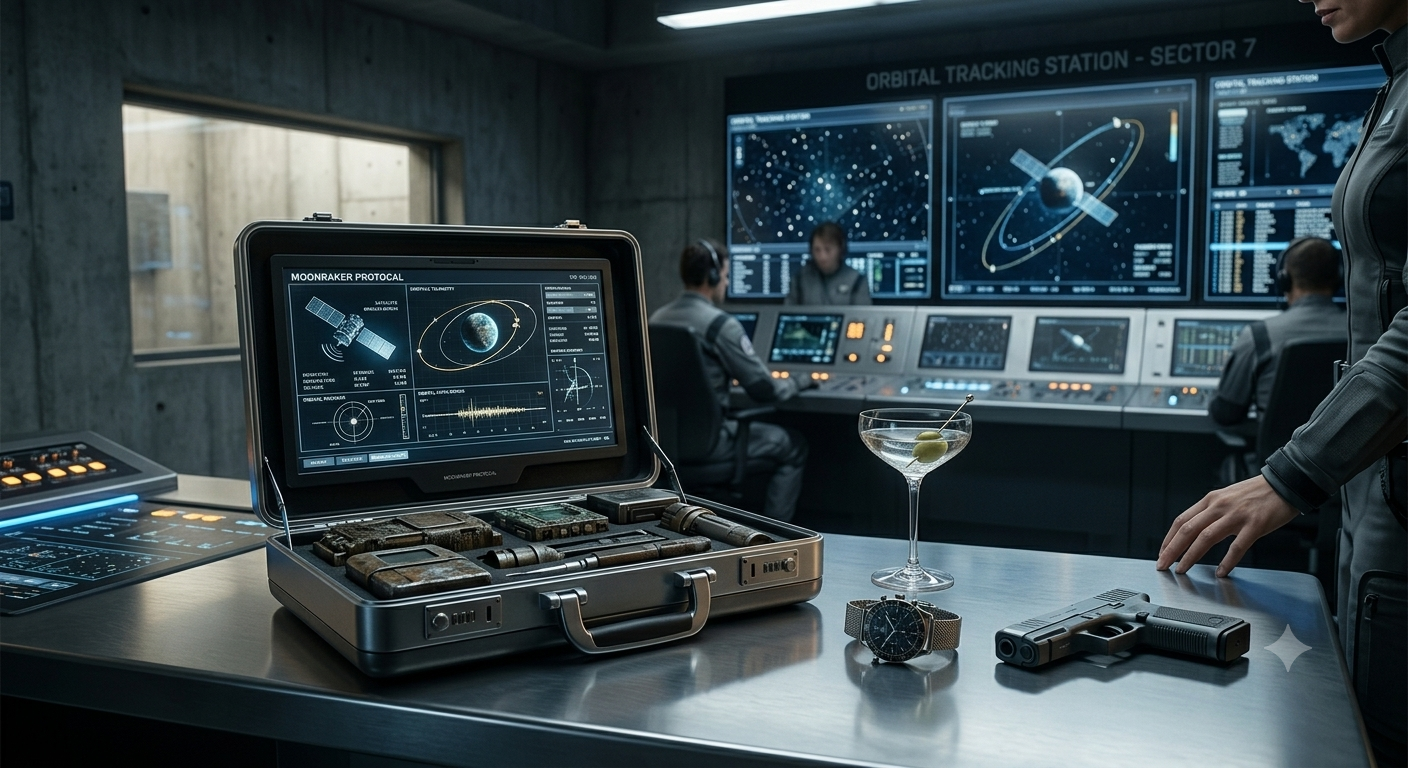
- Why She Redefined the Franchise: Dr. Holly Goodhead was a critical pivot point for the franchise’s depiction of professional competence. Introduced as a NASA scientist, she is quickly revealed to be an undercover CIA operative investigating the main antagonist. Goodhead holds her own in physical combat, flies space shuttles, and maintains a sharp professional rivalry with Roger Moore’s Bond, illustrating that American intelligence possessed assets fully equal to MI6.
12. Sylvia Trench (Dr. No, 1962 & From Russia with Love, 1963)
- Portrayed by: Eunice Gayson
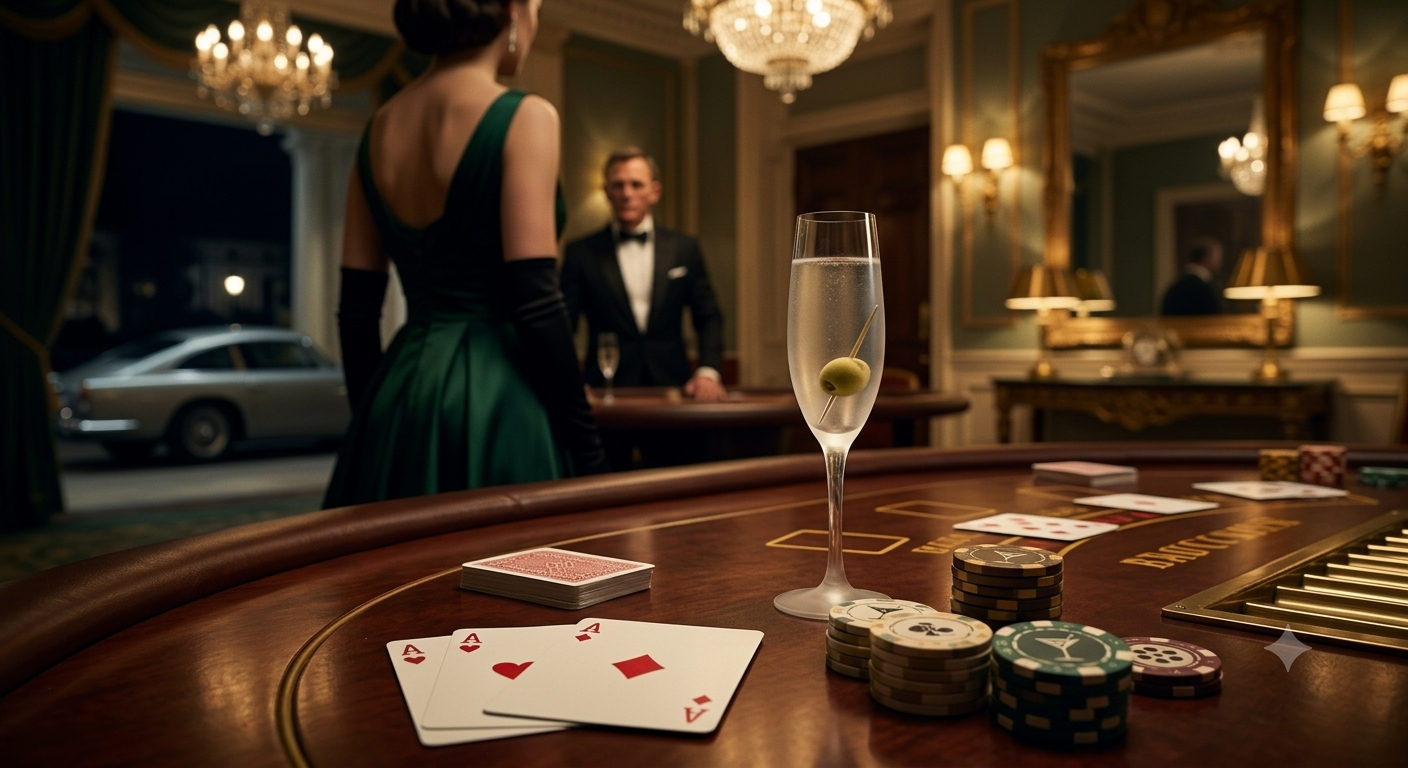
- Why She Redefined the Franchise: Sylvia Trench holds an unmatched historical distinction: she is the character responsible for prompting cinema’s most famous introduction. Playing against Sean Connery across a high-stakes baccarat table, her confident banter directly provoked his iconic reply: “Bond. James Bond.” Crucially, she is also one of the incredibly rare love interests to appear across multiple films, providing continuity in an era where female characters were typically treated as entirely disposable.
11. Xenia Onatopp (GoldenEye, 1995)
- Portrayed by: Famke Janssen
- Why She Redefined the Franchise: The mid-1990s reinvention of the series required an entirely fresh approach to conflict, and Xenia Onatopp delivered it with terrifying energy. As a deadly ex-Soviet fighter pilot aligned with the Janus crime syndicate, Onatopp completely flipped the script on the classic “femme fatale” trope. She weaponized raw physical dominance, turning combat sequences into visceral, high-stakes encounters that pushed Pierce Brosnan’s Bond to his absolute physical limits.
10. Pam Bouvier (Licence to Kill, 1989)
- Portrayed by: Carey Lowell
- Why She Redefined the Franchise: When Timothy Dalton brought a gritty, realistic edge to 007, the narrative demanded a partner who matched that intense tonal shift. Enter Pam Bouvier, an ex-Army pilot and resourceful CIA informant. Short-haired, tactical, and incredibly skilled with a shotgun, Bouvier completely rejected traditional glamour. She actively rescued Bond from multiple compound ambushes, setting a new standard for modern action heroines in the franchise.
9. Tatiana Romanova (From Russia with Love, 1963)
- Portrayed by: Daniela Bianchi
- Why She Redefined the Franchise: Tatiana Romanova introduced a psychological depth that was completely absent from the debut film. As a Soviet consulate clerk caught in a complex web spun by SPECTRE, her character explores themes of manipulation, loyalty, and true geopolitical tension. The palpable, slow-burn chemistry between Romanova and Connery grounded the film as a masterclass spy thriller rather than a simple action spectacle.
8. Natalya Simonova (GoldenEye, 1995)
- Portrayed by: Izabella Scorupco
- Why She Redefined the Franchise: Natalya Simonova was the definitive meta-commentary on the entire history of the franchise. A brilliant software programmer who survives a brutal remote facility massacre, Simonova serves as the literal moral anchor of the film. She directly calls out Bond’s emotional detachment and hazardous lifestyle, all while utilizing her crucial computer skills to systematically dismantle the villain’s satellite weapon system.
7. Melina Havelock (For Your Eyes Only, 1981)
- Portrayed by: Carole Bouquet
- Why She Redefined the Franchise: Melina Havelock brought an unyielding, dark desire for vengeance that mirrored Bond’s own motivations. Armed with a deadly crossbow and driven by the murder of her parents, Havelock completely refuses to be a passive bystander. Her single-minded focus on revenge forces Roger Moore’s typically lighthearted Bond into a much deeper, serious, and grounded story, permanently elevating the dramatic stakes of the era.
6. Anya Amasova / Agent Triple X (The Spy Who Loved Me, 1977)
- Portrayed by: Barbara Bach
- Why She Redefined the Franchise: Major Anya Amasova was a massive milestone: the first time a female lead was explicitly framed as James Bond’s exact professional equal from a rival superpower. Matching 007 step-for-step in espionage tactics, driving skills, and intellect, Agent Triple X proved that MI6 held no monopoly on international operations. The added narrative tension of her vowing to execute Bond for past operational casualties gave their dynamic an incredible narrative edge.
5. Jinx Johnson (Die Another Day, 2002)
- Portrayed by: Halle Berry
- Why She Redefined the Franchise: Brought to life by Oscar-winner Halle Berry, Giacinta “Jinx” Johnson was engineered as a high-octane American counterpart to 007. An NSA operative capable of handling high-altitude drops, intense sword fights, and complex infiltrations, Jinx redefined the sheer scale of physical action expected from female leads. Her unforgettable entrance emerging from the ocean paid direct homage to the roots of the franchise while cementing her status as a modern powerhouse action hero.
4. Pussy Galore (Goldfinger, 1964)
- Portrayed by: Honor Blackman
- Why She Redefined the Franchise: Beyond her famous moniker, Pussy Galore shattered the trope of the easily manipulated adversary. As an expert aviator running an organized group of pilots, she possesses genuine strategic authority and absolute confidence. Galore commands respect from both the main villain and Bond himself, and her ultimate choice to secretively swap out the toxic gas cylinders completely derails the antagonist’s plot, proving her to be the ultimate structural turning point of the film — and one of the most iconic Bond girls of the Connery era.
3. Honey Ryder (Dr. No, 1962)
- Portrayed by: Ursula Andress
- Why She Redefined the Franchise: Honey Ryder’s iconic emergence from the Jamaican surf, clutching sea shells with a knife buckled to her waist, is one of the most famous frames in the history of world cinema. As the foundational template for every female character that followed, Ryder established the essential visual and narrative language of the series. Defiant, fiercely independent, and untamed by conventional society, her introduction established that the women of 007’s world would always possess an unforgettable presence, securing her place among the most iconic Bond girls ever.
2. Tracy Bond (On Her Majesty’s Secret Service, 1969)
- Portrayed by: Dame Diana Rigg
- Why She Redefined the Franchise: Contessa Teresa “Tracy” di Vicenzo did what no other character could: she completely captured the heart of cinema’s most famous bachelor, becoming the only official Mrs. James Bond. Dame Diana Rigg brought an astonishing emotional complexity, fierce driving skills, and profound vulnerability to the role, bypassing standard cinematic tropes to create a deeply human character. Her tragic death in the film’s closing moments shattered the status quo, leaving an emotional scar that haunted subsequent iterations of Bond for decades.
1. Vesper Lynd (Casino Royale, 2006)
- Portrayed by: Eva Green
- Why She Redefined the Franchise: Vesper Lynd is the ultimate architectural blueprint of the modern 007 era. An HM Treasury officer tasked with managing the operational funds, Lynd completely deconstructs Daniel Craig’s raw, unpolished agent from the very moment they meet.
Her sharp, lightning-fast dialogue systematically strips away Bond’s emotional armor, making it completely believable when he decides to resign from the service for love. Her complex layers of betrayal, deep psychological trauma, and tragic end serve as the definitive origin story for why James Bond becomes the detached, cold secret agent the world knows so well. Vesper Lynd didn’t just participate in the story; she created the modern mythos of 007.
📌 Read Also: The Ultimate Ranking of Every James Bond Villain from Worst to Best
Comparative Breakdown: Changing the Dynamics of 007
Interesting Historical Facts
- Vocal Duplication: In the early days of the franchise, it was incredibly common for the producers to utilize a single voice actress, Nikki van der Zyl, to re-record the dialogue of multiple international stars—including Ursula Andress and Daniela Bianchi—to achieve a specific tone.
- The Gravestone Continuity: The immense narrative impact of Tracy Bond’s tragic demise was explicitly honored across different eras. Roger Moore’s Bond is seen visiting her gravestone during the opening sequence of For Your Eyes Only (1981), showing rare, long-term continuity across distinct lead actors.
- The Double Lead Casting: Renowned actress Maud Adams achieved a unique distinction by playing two completely different, major leading roles across the timeline: starring first as Andrea Anders in The Man with the Golden Gun (1974) and later as the titular character in Octopussy (1983).
Frequently Asked Questions (FAQs)
Who was the very first Bond girl?
The very first Bond girl in the official Eon Productions cinematic franchise was Sylvia Trench (played by Eunice Gayson), who appeared in the opening casino scene of Dr. No (1962). Honey Ryder (played by Ursula Andress) serves as the primary female lead of that same film.
Did James Bond ever get officially married?
Yes. James Bond officially married Contessa Teresa “Tracy” di Vicenzo (played by Dame Diana Rigg) in the landmark 1969 film On Her Majesty’s Secret Service. Tragically, she is assassinated by the villainous Ernst Stavro Blofeld shortly after the wedding ceremony.
Which Bond girl wrote the blueprint for the Daniel Craig era?
Vesper Lynd, brilliantly portrayed by Eva Green in Casino Royale (2006), serves as the structural and emotional blueprint for the modern era. Her intellectual sparring matches and tragic fate directly forged the guarded persona of Craig’s secret agent — the standard by which the most iconic Bond girls are still judged.
📌 Read Also: 10 Brilliant Bond Villain Schemes That Were Actually Genius (And 5 That Made No Sense)
Conclusion
The evolution of the most iconic Bond girls within the 007 franchise reflects the broader history of action cinema itself. As the writing shifted away from surface-level tropes, these complex women stepped forward to claim true narrative authority. They challenged the hero, rescued him from terminal traps, and shattered his emotional defenses—ultimately shaping the cinematic legacy of the world’s most iconic secret agent.