
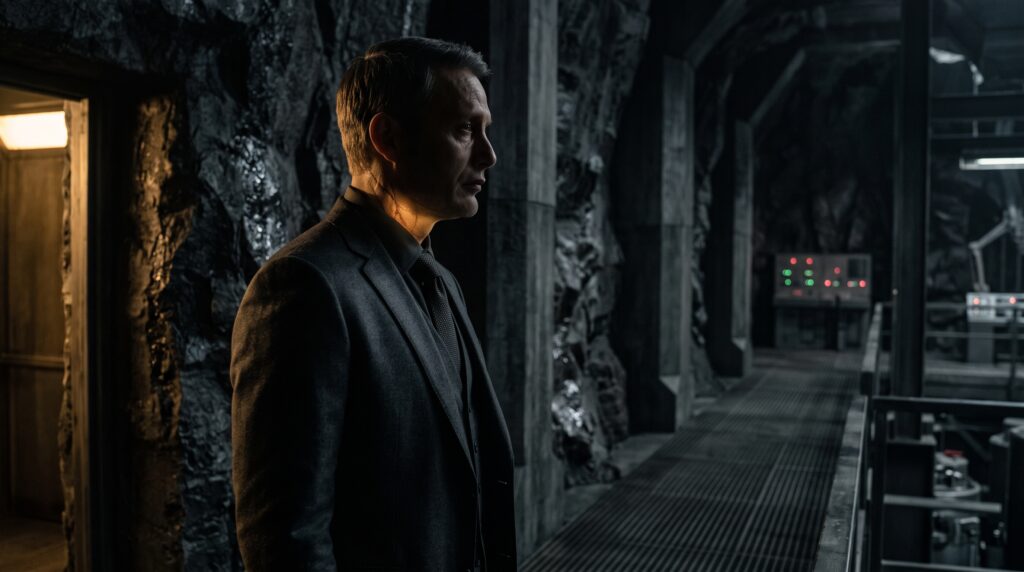
Aesthetics of control: The definitive James Bond villain requires a complex blend of theatrical authority and psychological sophistication.
When looking at how the finest James Bond villains ranked throughout cinematic history, the 007 franchise has always been defined by the megalomaniacs, geniuses, and psychopaths trying to destroy the man in the tuxedo. The 007 villain is a unique cinematic archetype: a sophisticated mirror image of Bond himself, possessing matched intelligence but twisted motivations. Ranking these figures is a monumental task. A truly great Bond villain requires a complex cocktail of believable menace, a theatrical scheme, memorable aesthetics, and, crucial for modern interpretation, compelling psychological depth. When an antagonist is written poorly, the entire film collapses; but when they are masterful, they elevate 007 cinema into high art. From the Cold War masterminds of the 1960s to the post-modern, intensely personal adversaries of the 21st century, we have analyzed every official Eon Productions antagonist. Here is our definitive, expert list of how these iconic James Bond villains ranked from worst to best.
Methodology of Menace: Our Criteria
To create this ranking, we utilized four specific pillars of evaluation:
- Menace & Agency: Does the villain feel genuinely dangerous? Do they personally drive the plot, or are they passive?
- Theatricality & Aesthetics: How iconic are their look, lair, and mannerisms? Are they memorable, or generic?
- Scheme Sophistication: Is their plan original, logical, and scaled appropriately (whether global or personal)?
- Psychological Impact on Bond: Does the conflict fundamentally change 007, challenging his skills, beliefs, or identity?
The Complete Ranking: Every James Bond Villains Ranked from 23 to 1
23. Dominic Greene (Quantum of Solace, 2008)
Dominic Greene is the absolute lowest point of Bond antagonism. In a post-Casino Royale world, the producers sought a grittier, more realistic threat—an environmental “philanthropist” manipulating water rights. While conceptually sound, Greene has zero physical or psychological presence. He feels less like a global threat and more like a corrupt regional executive. His eventual confrontation with Daniel Craig is memorable only for how effortlessly Bond handles him. When looking at how lower-tier James Bond villains ranked, Greene struggles to leave any lasting cinematic impression.
22. General Orlov (Octopussy, 1983)
Octopussy suffers from villain-by-committee, and General Orlov is the least effective member. A rogue Soviet general seeking to spark a nuclear conflict to expand Russian power, Orlov is purely theatrical without any substance. His performance is excessively hammy, even by the standards of the era, and he fails to establish a single personal connection with Roger Moore. His theatrical performance places him quite low when all iconic James Bond villains ranked by fans.
21. Kamal Khan (Octopussy, 1983)
Sharing the villain duties in Octopussy, Kamal Khan is marginally better than Orlov only because he has more direct interaction with 007. Khan is a generic, suave, high-society criminal archetype. He serves his function but provides zero innovation to the franchise. He is the definition of a disposable antagonist who leaves no legacy.
20. Franz Sanchez (Licence to Kill, 1989)
Franz Sanchez is a tricky entry. For many fans, this gritty, ruthless drug lord is a refreshing change. However, on an objective ranking, he suffers from being an archetype: the standard Scarface-era cocaine kingpin. He lacks the “super villain” scale that typically defines the series, operating strictly as a regional, personal revenge threat. He is genuinely menacing, but not uniquely 007 menacing.
19. Gustav Graves (Die Another Day, 2002)
Die Another Day is infamous for its excessive CGI and tonal shifts, and Gustav Graves embodies that. A Korean colonel who fakes his death and uses “gene replacement therapy” to pose as a British diamond mogul, Graves is conceptually absurd. The excessive use of theatrical gadgets (like his robot suit) detracts from any potential menace. He represents the excess of the era rather than a compelling threat. The heavy reliance on absurd gadgets definitely hurts his standing when modern James Bond villains ranked together.
18. Hugo Drax (Moonraker, 1979)
Drax is You Only Live Twice, but in space. While Michael Lonsdale delivers a superbly dry, cynical performance as the industrialist seeking to create a “master race” in space, the sheer derivative nature of the plot limits how these specific James Bond villains ranked in our breakdown. He has iconic moments, but he is fundamentally a cover-version of better villains.
17. Brad Whitaker (The Living Daylights, 1987)
In Timothy Dalton’s debut, Brad Whitaker is a minor arms dealer with delusions of military grandeur. Like Orlov, he is conceptually weak and overshadowed by the more interesting henchman, Necros. Whitaker’s ultimate lair—a museum of his own historical defeats—is conceptually clever, but he remains a lightweight operational speedbump for 007. Whitaker remains an example of a weak concept that ultimately suffered when all James Bond villains ranked together.
16. Aristotle Kristatos (For Your Eyes Only, 1981)
Kristatos works only as a twist villain, appearing initially as an ally before being revealed as the Soviet-aligned mastermind. His plot to steal the ATAC (a strategic command system) is generic, and once his twist is revealed, he becomes a standard, aging operator. He is functional but fails to capture the essential theatrical spark. His betrayal makes for good drama, but he remains lower tier when classic James Bond villains ranked by longevity.
15. Elliott Carver (Tomorrow Never Dies, 1997)
Elliott Carver is a brilliant modern concept: a media mogul (heavily inspired by Ted Turner and Rupert Murdoch) trying to start a war between the UK and China simply to secure exclusive broadcasting rights. Jonathan Pryce plays the media frenzy beautifully. While Carver himself isn’t physically imposing, his intellectual scale and unique motivation (pure capitalist market dominance) give him a distinct, pre-social media edge.
14. Karl Stromberg (The Spy Who Loved Me, 1977)
Stromberg is conceptually identical to Hugo Drax: a wealthy industrialist obsessed with starting a New World by nuking the old one (this time, in a specialized underwater city called Atlantis). Stromberg is ranked higher than Drax only because he is the original of the Roger Moore “megalomaniac” era and because his lair and ambition feel grander and more physically realized. Stromberg’s underwater obsession offers a grand scale, yet he falls behind the elite tier when all James Bond villains ranked for original personality.
13. Renard / Elektra King (The World Is Not Enough, 1999)
This film presents a phenomenal twist: the supposed villain, a physically imposing terrorist named Renard (who cannot feel pain), is actually just the infatuated puppet of Elektra King, the victim Bond was assigned to protect. Elektra is the first truly multi-layered, deceptive female main antagonist. Her psychological manipulation of 007, weaponizing his paternal instincts against him, was revolutionary for the Pierce Brosnan era. She only ranks outside the top ten because the third act still focuses slightly too heavily on Renard.
📌 Read Also: The 15 Most Iconic Bond Girls Who Redefined the 007 Franchise
12. Max Zorin (A View to a Kill, 1985)
Christopher Walken as a psychopathic microchip mogul who was a former Soviet genetic experiment: the concept alone is pure 1980s 007 genius. Walken delivers an erratic, unpredictable energy that saves an otherwise weak film. His scheme to trigger an earthquake to destroy Silicon Valley is scaled correctly, and his physical intensity during the Golden Gate Bridge finale is undeniable.
11. Mr. Big / Dr. Kananga (Live and Let Die, 1973)
Kananga is a revolutionary figure, breaking the franchise into the blaxploitation genre. He operates dual identities: Dr. Kananga, a legitimate UN diplomat, and Mr. Big, a ruthless Harlem crime boss. His plot is unique—distributing massive amounts of free heroin to build market dominance and then control the drug supply. This grounded, transactional intelligence threat gave Kananga a modern sophistication. Kananga’s unique double identity adds flavor, shifting the baseline of how mid-era James Bond villains ranked during the Roger Moore era.
10. Red Grant (From Russia with Love, 1963)
Red Grant is not a mastermind, but he is the defining operational threat of the series. He is the first antagonist explicitly presented as James Bond’s exact physical mirror: a silent, ruthless, blonde psychopathic assassin. While Blofeld drives the plot, Grant is the menace that Bond actually has to face. The tense, masterful train compartment fight scene is iconic because Bond realizes he might lose. Red Grant is the ultimate operational baseline for henchmen and rival agents.
The Essential Hierarchy: Top Tier Menace
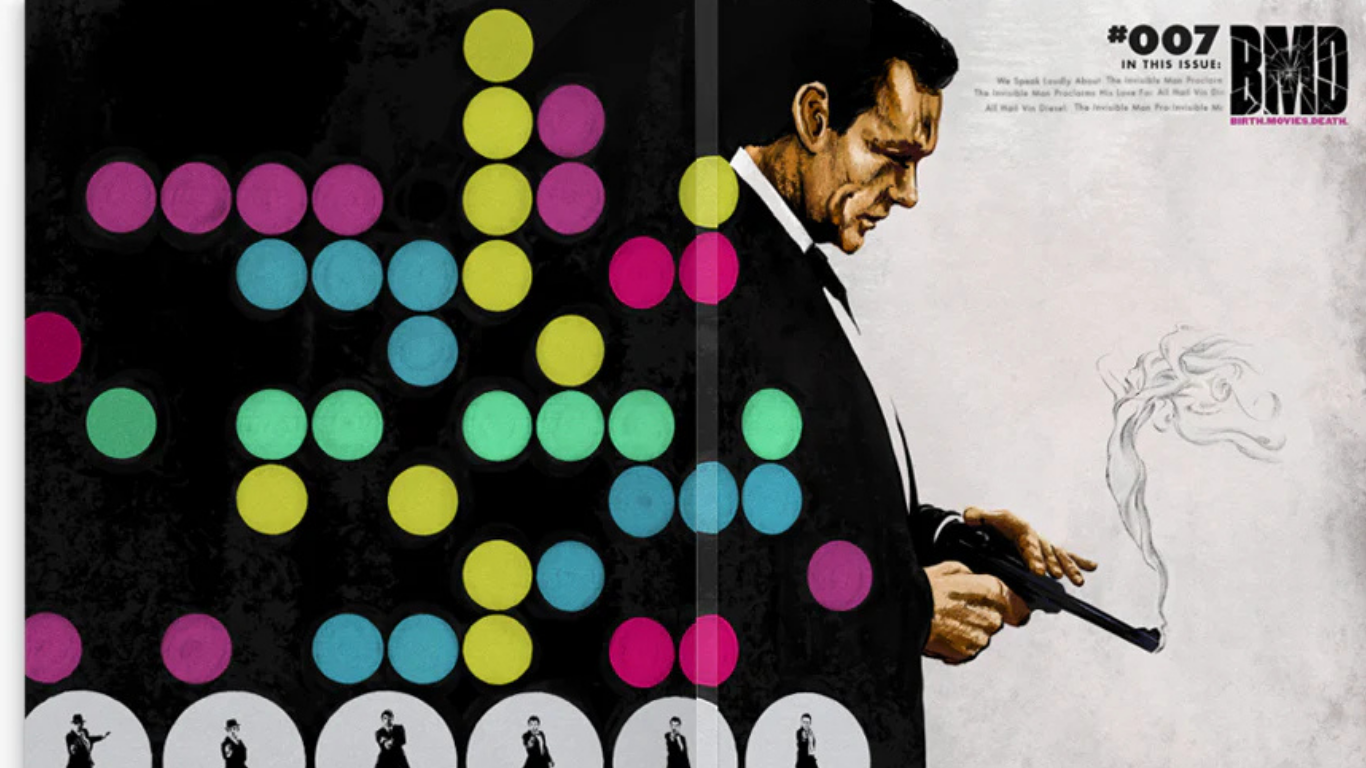
9. Lyutsifer Safin (No Time to Die, 2021)
Safin is an effective modern evolution, blending theatrical absurdity with intense personal motivation. A disfigured terrorist who seeks revenge on SPECTRE (specifically Madeleine Swann), he eventually gains control of a programmable virus weapon (Heracles). While his final generic “world domination” turn in the third act is weak, his intellectual deconstruction of James Bond—philosophizing that they are both simply engineers of death—makes him a formidable opponent who creates the ultimate stakes for the modern Bond.
8. Dr. Julius No (Dr. No, 1962)
The very first cinematic Bond villain established the architecture for everything that followed. Dr. No has everything: a mysterious background, a high-tech specialized lair (an entire underground complex on a private island), a physical anomaly (metallic prosthetic hands), a calm, sophisticated manner, and a theatrical scheme to disrupt American space launches for SPECTRE. Dr. No isn’t just the first; he is the definitive template.
7. Emilio Largo (Thunderball, 1965)
The archetypal “No. 2,” Largo is the first Eon villain whose performance and scale rivaled Bond himself. As SPECTRE’s operational commander of Project 79 (holding the world for ransom with stolen nuclear bombs), Largo is a commanding, physical presence. He is a sophisticated operational manager, overseeing a massive operation, and is given as much dynamic action time as Sean Connery, elevating him above mere henchman status.
6. Francisco Scaramanga (The Man with the Golden Gun, 1974)
Christopher Lee is legendary casting. Scaramanga is the conceptual “Anti-Bond”—the world’s premiere freelance assassin who uses a specific, bespoke weapon and possesses a third nipple (his anomaly). Scaramanga has zero global schemes; his only motivation is professional ego, challenging 007 to a duel simply to prove who is the true master. This personal, psychological scale was revolutionary for the Moore era, defining the character through professional rivalry.
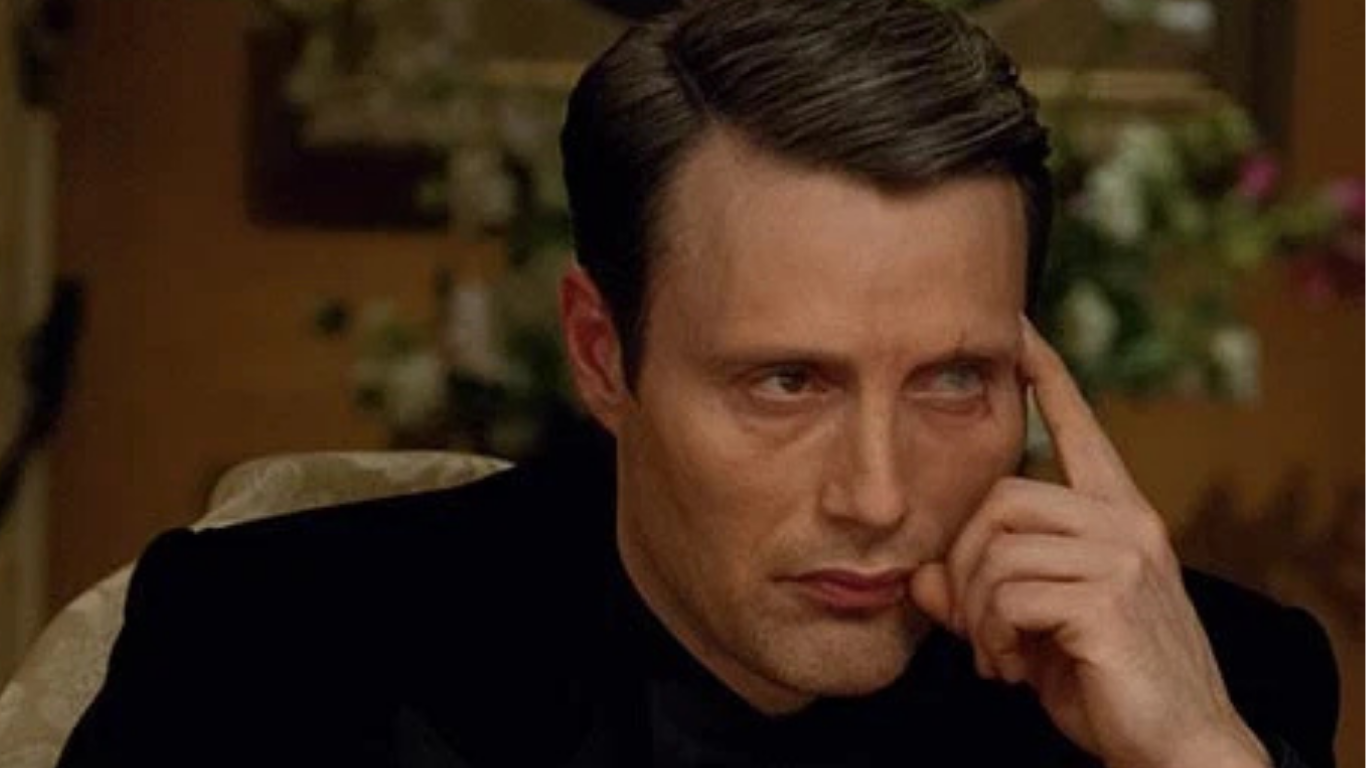
5. Le Chiffre (Casino Royale, 2006)
Mads Mikkelsen delivers the finest operational-scale villain in the modern era. Le Chiffre is not a global terrorist; he is a specialized mathematical genius who manages funds for terrorists. His menace is rooted in desperate intelligence: he has lost $100 million of his clients’ money and must win a high-stakes poker tournament to survive. This transactional threat makes him relatable, intelligent, and dangerous. His physical anomaly (weeping blood) is grounded, and his intellectual sparring with Daniel Craig is masterful, proving intelligence is as dangerous as theatricality.
4. Alec Trevelyan / Janus (GoldenEye, 1995)
GoldenEye needed a new kind of threat for a post-Cold War world, and Alec Trevelyan is pure genius. As 007’s former friend and rival (Agent 006), thought to be dead, Trevelyan uses his intimate knowledge of MI6 and James Bond against them. As “Janus,” the head of a massive cyber-crime syndicate, his plot is transactional revenge: stealing billions using the GoldenEye satellite and then erasing the data trails to crash the global economy. This combination of intense personal betrayal, matched skills, and strategic scale makes Trevelyan the definitive Brosnan-era antagonist.
📌 Read Also: Every James Bond Actor in Order: The Complete 007 Chronology (1962–Present)
3. Raoul Silva (Skyfall, 2012)
Raoul Silva is the modern evolution of Alec Trevelyan, but executed with deeper psychological sophistication by Javier Bardem. Silva is the modern Bond’s definitive origin story: a former MI6 agent abandoned by M who seeks to systematically destroy her legacy and reputation, using Bond merely as an operational tool. Silva’s theatricality (his facial prosthetic reveal) is grounded in personal trauma, and his mastery of cyber-warfare makes him a terrifying modern entity. Silva forces Bond to question his loyalty, his age, and his entire identity, creating the ultimate modern conflict.
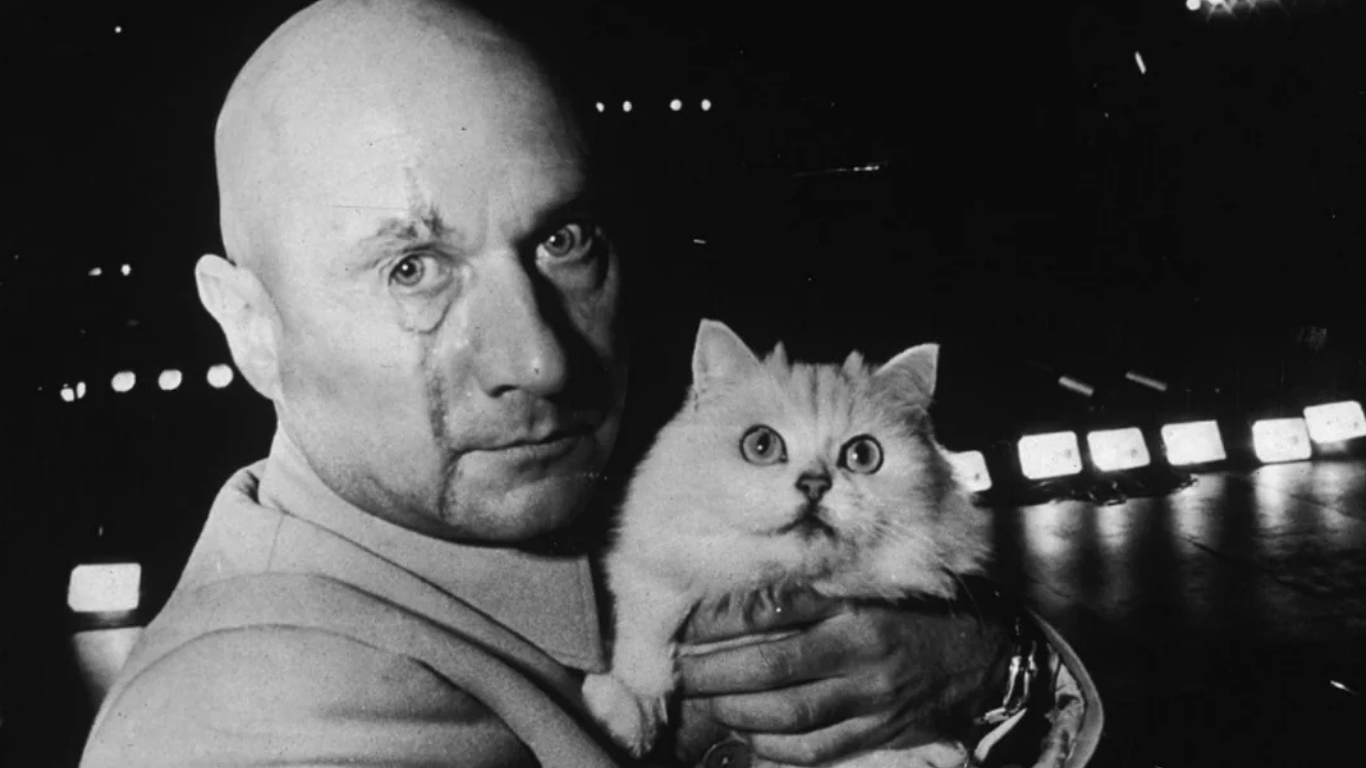
2. Ernst Stavro Blofeld (You Only Live Twice, 1967)
While Blofeld (specifically the definitive portrayal by Donald Pleasence) operates through multiple films, his performance in You Only Live Twice is the apex. This is the ultimate conceptual “No. 1”: the scarred mastermind, operating from a literal hollowed-out volcano lair, managing a massive operational complex, and playing global superpowers against each other to spark World War III for profit. He is the pure conceptualization of theatrical world dominance, establishing the entire language of the super-villain that pop culture (like Austin Powers) would parody for decades. Blofeld in YOLT is the unmatched peak of conceptual 007 antagonism.
1. Auric Goldfinger (Goldfinger, 1964)
If Dr. No built the template, Auric Goldfinger defined the cultural icon. He is the standard by which all theatricality is measured. Goldfinger’s scheme is brilliant and logical (Operation Grand Slam: using a localized nuclear device not to steal the gold from Fort Knox, but to irradiate the supply, instantly skyrocketing the value of his own holdings). He possesses the quintessential anomaly (the gold fetish), the most famous interaction (the laser table), and the defining quote. Goldfinger is pure cinematic pop-culture excellence.
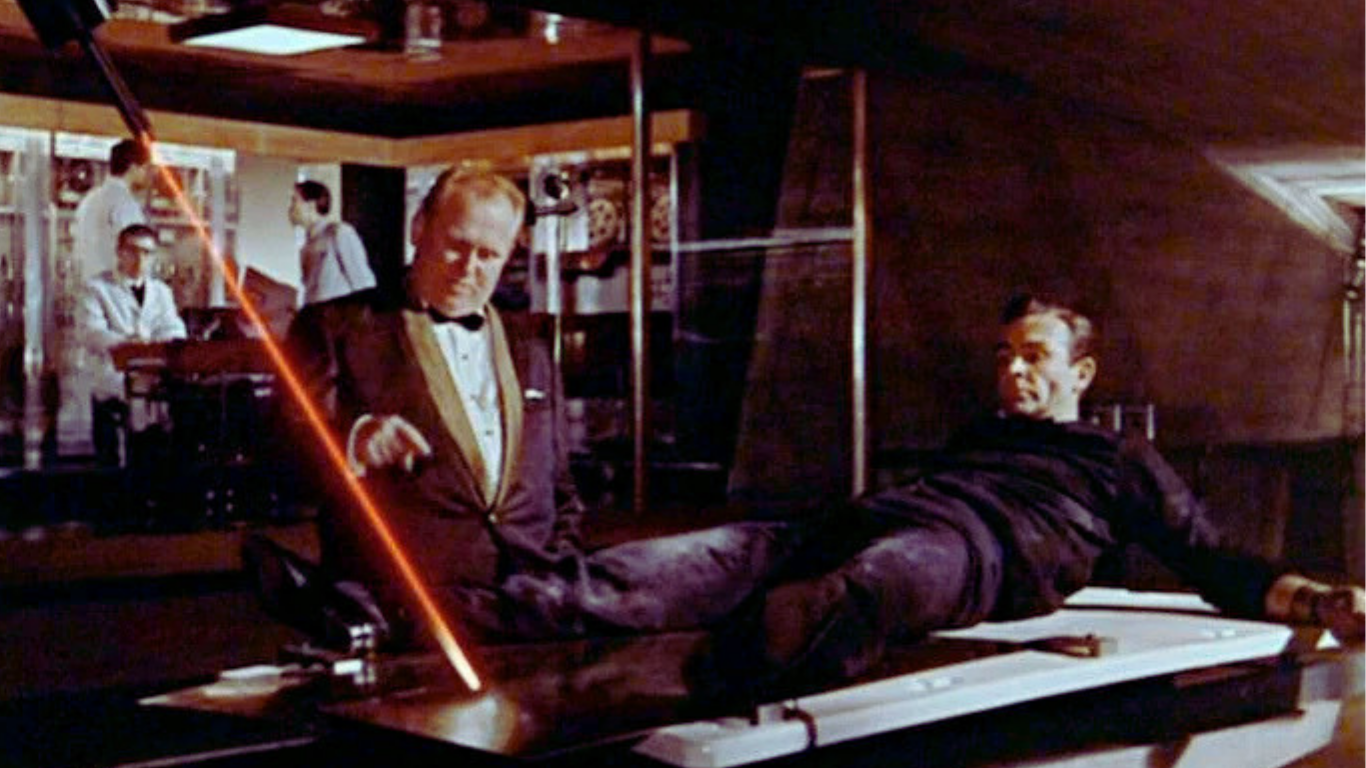
Why #1: Goldfinger is not just the best Bond villain — he is the blueprint. Goldfinger (1964) was the first true Bond blockbuster, recouping its budget in two weeks, and the film where the franchise famously “comes into focus.” Operation Grand Slam remains the most elegant scheme in the series: not theft, but economic warfare — irradiating the Fort Knox gold supply to multiply the value of his own holdings. The iconography is unmatched: the laser table (“No, Mr. Bond, I expect you to die”), Oddjob’s steel-rimmed bowler, the Aston Martin DB5, Shirley Bassey’s theme — every element entered global pop culture and became the yardstick for the franchise. In 1999, the British Film Institute ranked Goldfinger among the Top 100 British films. Six decades on, every Bond villain is still measured against the gold standard — literally.
Historical Timeline of Villainous Evolution
| Cinematic Era | Defining Tone | Prime Example | Key Metric |
|---|---|---|---|
| Connery | Cold War Masterminds | Ernst Stavro Blofeld | Establishes theatrical world dominance template. |
| Lazenby / Moore | Theatrical & Transactional | Scaramanga | Focus on professional rivalry and ego over global schemes. |
| Dalton / Brosnan | Post-Cold War Gritty / Cyber | Alec Trevelyan | Introduces intense personal betrayal and matched 00-skills. |
| Craig | Post-Modern Psychological | Raoul Silva | Shifts focus to psychological origin stories and trauma. |
Interesting Historical Facts
- Blofeld’s Vocal Duplication: Just as Nikki van der Zyl often dubbed multiple Bond Girls, in You Only Live Twice, Donald Pleasence’s chilling performance was so iconic that it was partially influenced by the producers also testing Czech actor Jan Werich for the role. Werich was considered less menacing, leading to Pleasence’s definitive take.
- The Laser Line’s Origin: The legendary laser table scene in Goldfinger—and the “I expect you to die” reply—was almost entirely cinematic invention. In Ian Fleming’s original novel, Goldfinger utilized a circular buzzsaw to interrogate Bond, illustrating how cinematic theatricality could exceed the original text.
- The Mikkelsen Monolith: Mads Mikkelsen’s now-iconic “weeping blood” anomaly as Le Chiffre in Casino Royale (2006) was a crucial modification. In Fleming’s original novel, the character’s only distinct feature was his extreme wealth and lack of luck, requiring cinematic innovation to establish immediate visual authority.
Frequently Asked Questions (FAQs)
Who is the highest-ranked Bond villain?
Auric Goldfinger. Gert Fröbe’s gold-obsessed industrialist from Goldfinger (1964) takes the #1 spot: Operation Grand Slam remains the most famous scheme in the series, and the film itself — the first Bond blockbuster, ranked among the BFI’s Top 100 British films — set the template every later villain is measured against.
Which Bond villain has the most famous scheme?
Operation Grand Slam, Auric Goldfinger’s plot in Goldfinger (1964), is widely considered the most famous and culturally impactful scheme. His goal—to irradiate the Fort Knox gold supply to increase his own holdings—set the standard for theatrical sophistication. Goldfinger’s plot remains a gold standard when analyzing how classic James Bond villains ranked for their theatrical menace.
Who is the most physically menacing Bond villain?
While operators like Red Grant (From Russia with Love) are dangerous henchmen, Francisco Scaramanga (The Man with the Golden Gun, 1974), portrayed by Christopher Lee, is arguably the most physically intimidating main antagonist. Lee brings unmatched gravitas and established authority to the professional duel with 007. This comprehensive breakdown shows exactly how the most dangerous James Bond villains ranked across generations.
who is the best james bond villain
Most fans and critics name Ernst Stavro Blofeld or Auric Goldfinger as the best James Bond villain. Blofeld is Bond’s most personal nemesis — the head of SPECTRE across multiple eras — while Goldfinger set the template for the classic Bond villain in 1964 with his unforgettable gold obsession and laser-table scene.
who is the most evil bond villain
Blofeld is usually ranked the most evil Bond villain for the sheer scale of his cruelty — from ordering the murder of Bond’s wife Tracy to global terror plots spanning decades. Close contenders include Le Chiffre, who tortured Bond in “Casino Royale,” and Safin, whose nanobot weapon in “No Time to Die” threatened all of humanity.
Sources & Further Reading
- BFI Screenonline: Goldfinger (1964) — full synopsis and credits (British Film Institute)
- James Bond 007: Goldfinger — official film page (EON Productions)
Conclusion
The legacy of the 007 villain is a unique and essential component of modern cinema. From the earliest scarred megalomaniacs in volcanic lairs to the complex hackers exploiting existential scars, the “best” Bond antagonist is one who can successfully balance theatrical sophistication with psychological menace. They are not mere obstacles; they are the intellectual and emotional catalyst that forces James Bond to evolve. This hierarchy proves that the franchise’s enduring power is defined by the depth and authority of its antagonistic forces, proving that the man in the tuxedo is only as great as the shadow that chases him. Ultimately, seeing how these legendary James Bond villains ranked is the ultimate truth of cinema history.