From cinematic trailblazers to tragic Hollywood figures, the lives of 007's leading ladies evolved far beyond the screen.
Since Ursula Andress stepped out of the Caribbean surf in 1962, the female leads of the 007 franchise have captivated global audiences. For decades, securing a role opposite the British secret agent was seen as the ultimate Hollywood double-edged sword: overnight international stardom accompanied by intense industry stereotyping often termed the “Bond Girl Curse.” Uncovering the real trajectories of the most famous Bond girls reveals stories of reinvention, career triumphs, tragic setbacks, and enduring cultural legacies.
In this authoritative behind-the-scenes retrospective, we explore what really happened to the iconic actresses who defined the James Bond phenomenon across six decades of cinema history.
Ursula Andress (Honey Ryder – Dr. No, 1962)
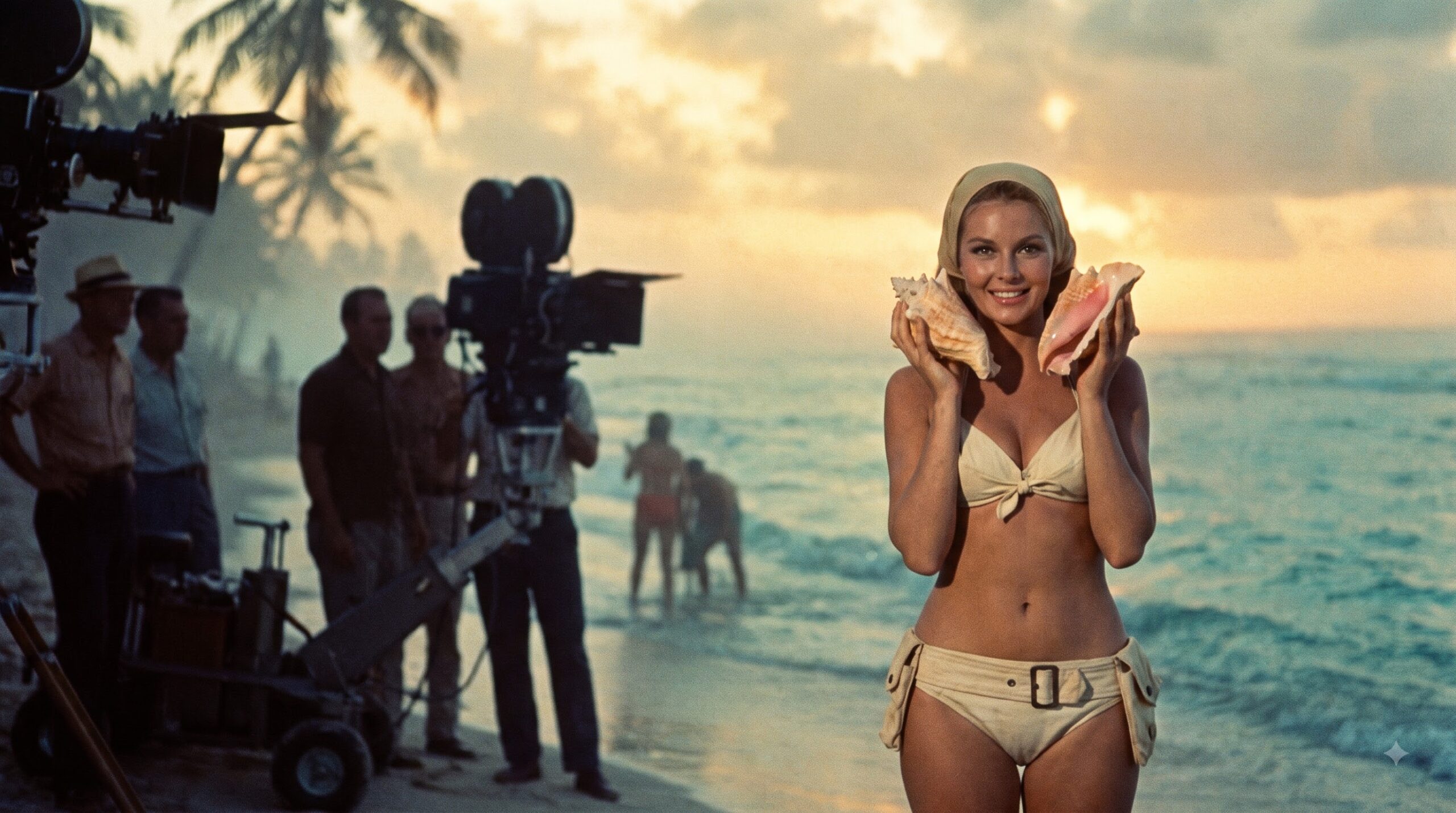
Swiss actress Ursula Andress set the definitive archetype as Honey Ryder in 1962’s Dr. No. Emerging from the Jamaican surf carrying two conch shells with a dive knife strapped to her hip, Andress established a visual standard that transformed cinematic fashion. Her heavy accent was fully dubbed by voice actress Nikki van der Zyl, but her screen presence won her a Golden Globe Award for New Star of the Year in 1964.
Life After 007:
Andress capitalized on her fame by starring opposite Elvis Presley in Fun in Acapulco and Peter Sellers in the 1967 spy parody Casino Royale. She worked extensively in Italian cinema throughout the 1970s before stepping back from regular Hollywood acting in the late 1980s. In 2001, her iconic ivory bikini sold at Christie’s auction in London for over £41,000. Andress retired quietly to Europe, spending her later years split between Rome and Switzerland as an enduring icon of 1960s cinema.
Read Also: Creation of James Bond: 7 True WWII Secrets Behind Ian Fleming’s 007
Honor Blackman (Pussy Galore – Goldfinger, 1964)
Honor Blackman broke the traditional ingénue mold when cast opposite Sean Connery in 1964’s Goldfinger. At 38 years old, Blackman was five years older than Connery and already a martial-arts-wielding household name in the UK from the television series The Avengers. As flying circus leader Pussy Galore, she gave 007 an intellectual and physical equal, famously judo-flipping him into a barn of hay.
Life After 007:
Blackman avoided the stereotyping trap by returning to British theater and television. She scored a hit musical single with co-star Patrick Macnee, toured classical Shakespearean stages, and later achieved mainstream television fame as Laura West in the popular British sitcom The Upper Hand. In 2002, Blackman famously turned down a CBE honor, citing her republican political principles. She worked continuously in television until her peaceful passing in April 2020 at the age of 94.
Read Also: Daniel Craig vs Sean Connery: Who Was the Most Accurate 007?
Diana Rigg (Tracy di Vicenzo – On Her Majesty’s Secret Service, 1969)
Dame Diana Rigg delivered what critics widely regard as the most emotionally layered female performance of the classic era in 1969’s On Her Majesty’s Secret Service. Playing the troubled contessa Tracy di Vicenzo, she achieved the unthinkable: making James Bond abandon his bachelorhood, retire from service, and walk down the aisle—before being brutally assassinated by Blofeld.
Life After 007:
Unlike many contemporaries, Rigg never allowed herself to be defined by commercial cinema. She became one of Britain’s most celebrated stage and screen actresses, earning Tony, Emmy, and BAFTA awards. Decades later, she captured an entirely new global generation of fans as the razor-tongued Lady Olenna Tyrell (“The Queen of Thorns”) in HBO’s Game of Thrones. Rigg worked right up until her death in September 2020, concluding an extraordinary seven-decade career.
Read Also: 7 Dark Eras of Ernst Stavro Blofeld History: 007’s Ultimate Nemesis
Historical Fate Matrix: The Most Famous Bond Actresses
The structured retrospective below compares the careers and real-world paths of the definitive leading women from 007 history:
| Actress | Character & Film | Era / 007 Lead | Subsequent Career Trajectory |
|---|---|---|---|
| Ursula Andress | Honey Ryder (Dr. No, 1962) | Sean Connery | International sex symbol; Italian genre films; peaceful European retirement. |
| Honor Blackman | Pussy Galore (Goldfinger, 1964) | Sean Connery | Celebrated West End stage career; UK sitcom royalty; political commentator. |
| Diana Rigg | Tracy di Vicenzo (OHMSS, 1969) | George Lazenby | Tony & Emmy winner; Damehood; international acclaim in Game of Thrones. |
| Jane Seymour | Solitaire (Live and Let Die, 1973) | Roger Moore | Major US television star (Dr. Quinn, Medicine Woman); artist & author. |
| Carole Bouquet | Melina Havelock (For Your Eyes Only, 1981) | Roger Moore | César Award winner; face of Chanel No. 5; high-end winemaking in Italy. |
| Famke Janssen | Xenia Onatopp (GoldenEye, 1995) | Pierce Brosnan | Global franchise star as Jean Grey in X-Men; director and producer. |
| Eva Green | Vesper Lynd (Casino Royale, 2006) | Daniel Craig | Prestige auteur cinema; gothic television icon (Penny Dreadful). |
Jane Seymour (Solitaire – Live and Let Die, 1973)
Cast at just 21 years old as the clairvoyant tarot reader Solitaire in Roger Moore’s debut outing, Jane Seymour captivated audiences with her supernatural innocence and flowing brown hair. Faced with the risk of remaining cast as a decorative damsel, Seymour made the decisive move to Hollywood in the mid-1970s.
Life After 007:
Seymour achieved massive mainstream American television success, earning an Emmy Award for the 1988 miniseries Onassis: The Richest Man in the World and leading the hit family drama Dr. Quinn, Medicine Woman for six seasons. She reinvented her comedic timing in 2005’s Wedding Crashers and continues to act prolifically while running successful international lifestyle, painting, and jewelry design lines.
Read Also: Vesper Lynd Daniel Craig Bond: 5 Tragic Ways She Shaped 007
Famke Janssen (Xenia Onatopp – GoldenEye, 1995)
In 1995, Dutch model-turned-actress Famke Janssen re-energized the franchise alongside Pierce Brosnan in GoldenEye. Playing the psychopathic, thigh-crushing assassin Xenia Onatopp, Janssen avoided the traditional passive archetype, delivering one of the most memorable villainous performances in action cinema.
Life After 007:
Janssen leveraged her 007 acclaim into genuine franchise stardom, landing the iconic role of Dr. Jean Grey / Phoenix in Marvel’s original X-Men film trilogy. She followed this with major roles in the worldwide action hit Taken trilogy opposite Liam Neeson and critically acclaimed turns in television series like Hemlock Grove and How to Get Away with Murder.
Eva Green (Vesper Lynd – Casino Royale, 2006)
When the Daniel Craig era launched in 2006, French actress Eva Green stepped into the role of Vesper Lynd, earning a BAFTA Rising Star Award. As a complex HM Treasury liaison whose tragic betrayal haunts Bond for fifteen years, Green fundamentally changed how female characters functioned within the franchise.
Life After 007:
Rather than signing on to formulaic Hollywood blockbusters, Green deliberately chose challenging, dark auteur cinema. She partnered with Tim Burton across multiple projects (Miss Peregrine’s Home for Peculiar Children, Dumbo) and delivered a tour-de-force performance as Vanessa Ives in the gothic horror series Penny Dreadful. Today, Green remains one of Europe’s most respected and sought-after leading actresses.
Read Also: Every Aston Martin Driven by James Bond (And Where They Are Now)
The Evolution from Tropes to Equal Partners
The lives and careers of the most famous Bond girls reflect the changing social landscape of cinema itself. While 1960s and 1970s actresses often fought hard against heavy studio stereotyping and dubbing, modern stars like Michelle Yeoh (who went on to win an Academy Award), Halle Berry, and Léa Seydoux used their 007 platform to cement multi-hyphenate global careers.
As Amazon MGM Studios and Eon Productions prepare the slate for Bond 26, the historical lessons learned by these pioneering actresses ensure that the future women of the 007 universe will be crafted not as ornamental companions, but as formidable tactical equals.
For more deep-dive analyses, complete franchise chronologies, and historical character features, visit Media1Gyan, and stay updated with official franchise announcements at the official 007 Website.
Frequently Asked Questions (FAQ)
Has any Bond girl ever won an Academy Award?
Yes. Several actresses who appeared in the franchise have won Oscars, including Kim Basinger (Never Say Never Again, won for L.A. Confidential), Halle Berry (Die Another Day, won for Monster’s Ball), and Michelle Yeoh (Tomorrow Never Dies, won Best Actress for Everything Everywhere All at Once).
Why were many early Bond girls dubbed by another actress?
During the 1960s and 1970s, producers frequently cast international European models and actresses whose heavy accents or lack of formal stage training made their spoken English difficult to understand for American and British audiences. British voice actress Nikki van der Zyl uncreditedly dubbed dozens of female leads, including Ursula Andress and Claudine Auger.
Who was the oldest actress to play a Bond leading lady?
Italian actress Monica Bellucci became the oldest leading woman in the franchise when she was cast as Lucia Sciarra in 2015’s Spectre at the age of 50, starring opposite Daniel Craig.